
Discovering Sunshine Park’s Beginnings
Nestled just south of downtown West Palm Beach, Sunshine Park stands as a testament to the city’s vibrant heritage and ongoing transformation. Many who stroll down Nottingham Boulevard, pass under the shade of mature banyan trees, or admire the colorful character homes might not realize just how deeply the roots of this neighborhood run. From its early days as a planned post-war haven to its current status as a diverse, spirited enclave, Sunshine Park’s story is one of resilience and community pride.
The Origin of the Name “Sunshine Park”
The name “Sunshine Park” captures the essence of Florida’s irresistible climate and the neighborhood’s warm sense of belonging. In the late 1940s, as returning World War II veterans looked to settle into family life, developers capitalized on West Palm Beach’s sun-soaked reputation. “Sunshine Park” wasn’t just a marketing term—it embodied the optimism and brightness associated with starting anew in South Florida. As legend goes, early promotional materials played up the nearly year-round sunshine, welcoming settlers to what was promised as a sanctuary from both cold winters and the burden of war’s memories.
Architectural Heritage and Notable Streets
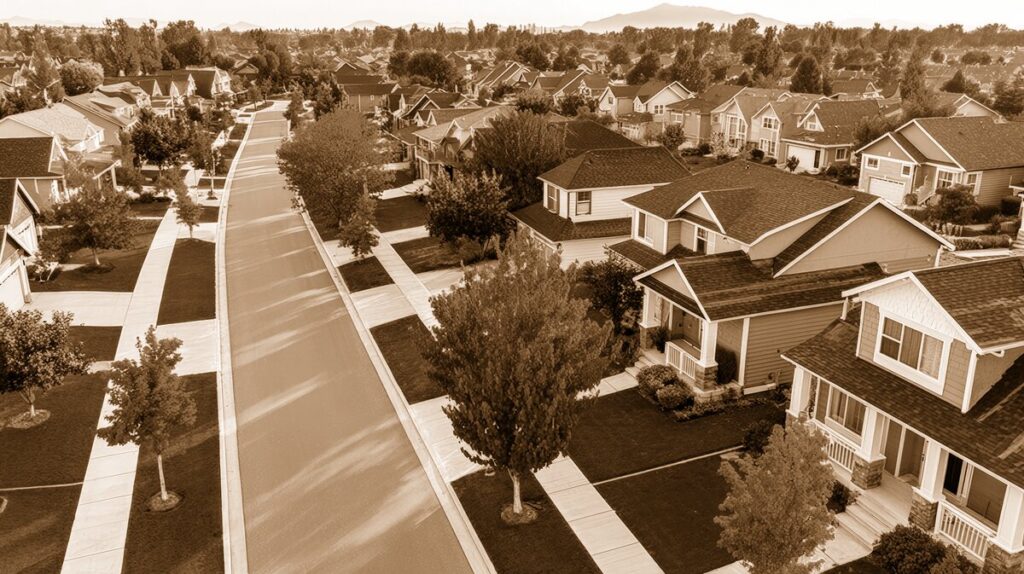
Sunshine Park’s original borders run from Southern Boulevard to Forest Hill Boulevard, nestled between South Dixie Highway and Parker Avenue. One of the true delights of Sunshine Park is the diverse mix of architectural styles. Stroll along streets like Avon Road, Franklin Road, and Lake Avenue, and you’ll spot:
- Charming 1940s and 1950s bungalows with sweeping porches and pastel hues
- Mediterranean Revival cottages, complete with clay-tiled roofs and arched doorways
- Streamline Moderne residences, echoing the Art Deco elegance found further north along the city’s waterfront
This architectural patchwork not only reflects changing tastes over the past eight decades but also the neighborhood’s openness to newcomers eager to make it their own.
Historical Milestones
The 1950s saw Sunshine Park blossom as young families moved in, attracted by affordable homes, proximity to the growing downtown, and access to prominent schools like Belvedere Elementary. In the 1960s, local organizations rallied to form the Sunshine Park Neighborhood Association, which still works today to promote community involvement and beautification efforts.
Key moments include:
- The development of the Sunshine Park Recreation Center in the 1970s, hosted on Nottingham Boulevard, which became a beloved spot for after-school activities and weekend gatherings.
- The arrival of St. Catherine’s Greek Orthodox Church in the late 1960s on South Flagler Drive, which brought cultural celebrations and beautiful architecture just on the neighborhood’s edge.
- The designation of several brick-paved streets (like Avocado and Vallette) as historic pathways, preserving the neighborhood’s original charm.
Landmarks and Points of Interest
One of Sunshine Park’s most beloved features is its namesake park, Sunshine Park, located off Georgia Avenue. This green oasis remains a favorite for families—a shady retreat with picnic tables, a vintage children’s play area, and a mural painted by local artists. On the neighborhood’s edge, the iconic 1930s Lake Worth Station (now the Tri-Rail station on Georgia Avenue) stands as a living monument to West Palm Beach’s days as a rail hub, connecting generations of residents to the rest of South Florida.
A walk through the neighborhood often reveals hidden gems:
- Historic mission-style homes along Miller Avenue
- The midcentury modern St. Juliana Catholic Church, another community cornerstone on South Olive Avenue
- The original Sunshine Park Market, which opened in the 1950s and evolved over the years into a niche deli and specialty grocer beloved by locals
Sunshine Park Through the Decades
The 1980s and 1990s brought challenges, as many older homes faced neglect amid economic downturns. But the community spirit for which Sunshine Park is known never waned. Homeowners joined forces to restore neglected properties, advocated for better lighting and green spaces, and proudly participated in citywide historic preservation initiatives.
By the early 2000s, Sunshine Park experienced a true renaissance. Young professionals, artists, and retirees alike found value in its historic homes and neighborly atmosphere. The construction of the Norton Museum of Art’s new wing downtown and revitalization efforts along South Dixie Highway brought new energy to the surrounding area, making Sunshine Park an even more desirable address.
Community and Modern Day Life
Today, Sunshine Park is a haven for those who cherish history as much as they value community engagement. The annual Sunshine Park PorchFest brings together musicians, artists, and neighbors for a day of music played from front porches and impromptu block parties—a celebration unique to this pocket of West Palm Beach.
Local initiatives support historic home restoration, tree planting, and youth recreation programs. Beloved hangouts like the tropical Blackbird Coffee House on Dixie Highway and community gardens on Nottingham keep the Sunshine Park spirit alive year-round.
Why Sunshine Park Endures
Ask any longtime resident what makes Sunshine Park special, and you’ll likely hear mention of evening walks under century-old trees, spontaneous conversations on front lawns, or the shared pride in keeping the past alive amid West Palm Beach’s rapid growth. It’s a neighborhood where heritage isn’t just preserved—it’s celebrated every day, in every remodeled home, every neighborhood mural, and every friendly wave from a front porch.
If you’re lucky enough to visit or call Sunshine Park home, you’re a part of a living chapter in West Palm Beach’s story—one still bright with sunshine, character, and heart.